
You just left your Dental office and they recommended a “deep cleaning.” Maybe you felt pressured, maybe you feel confused about why you suddenly need this when your teeth have always been fine. Here’s the truth from someone that has done many of these as a Dental Hygienist for 20 years.
You brush regularly and sometimes floss, you use mouth wash and have always had a clean bill of health at the Dentist. How is it possible that now your Dentist is recommending a Deep Cleaning?
Let’s dive into what an actual deep cleaning verses a regular cleaning is so we can determine which was necessary.
As a Dental Hygienist I am usually the Dental Provider that is actually accessing gum health and discussing this with the Dentist.
How Do Hygienist Know If You Need A Deep Cleaning
One of the first things in determining the health of the gums is the measurement of the gums. Hygienist’s take an instrument called a periodontal probe and measure the space between your tooth and gums. That space when healthy is called a sulcus and should measure around 0-3mm deep. When the measurement is deeper like 5mm and bleeding we known that there is active infection. It is now called a pocket.
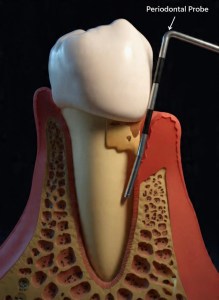
What Do Gum Pockets Actually Mean?
There is a seal around teeth formed by the sulcular epithelium and junctional epithelium. In health (0-3mm) that seal is nice and tight. In disease that seal breaks down because of the body’s immune response to bacterial biofilm.
Deep pockets are telling the Dental Hygienist and Dentist how much of your supportive tooth structure has been lost. This can also be observed on dental X-rays(bone loss).
Deep Cleaning Verses Regular Cleaning: What’s The Difference?
A regular cleaning is meant for a healthy mouth with no loss of supportive structures and active disease.
If you were told that you need a deep cleaning then your periodontal charting showed deep pockets of 5mm or greater. There were other signs such as bleeding during the assessment and noted tartar build up.
The Regular cleaning removes bacterial plaque and tartar above the gumline and slightly below. This is typically called a prophylaxis and is done every 6 months. Most Dental Insurance covers a regular cleaning under preventative care at 100 percent or close to that.
The deep cleaning or scaling and root planning is done as treatment for unhealthy gums. The mouth is divided up into 4 quadrants, upper right, upper left, lower left and lower right. Depending on the severity of the disease and build up the Hygienist may scale under the gum line one quadrant per dental visit or 2 quadrants per dental visit. This procedure is usually done with dental anesthesia.
Why Did You Suddenly Need A Deep Cleaning?
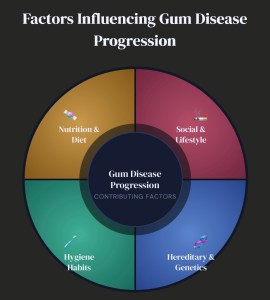
Why did you all of a sudden need a “deep cleaning?” The change in your oral health can happen for a variety of reasons. Lifestyle choices finally catching up such as vaping, smoking, nicotine mouth pouches. Lack of consistent brushing and flossing, diet plays a huge role in feeding the bad bacteria, deficiency in vitamins, genetic predisposition to gum disease and some medications can dry out the mouth increasing the chances of unhealthy inflamed gums. It can be one of these reasons that caused a shift in bacteria in your oral microbiome or a combination.
What happens After A Deep Cleaning
Deep cleanings are considered a periodontal procedure and your dental insurance will determine at what percent they choose to cover procedures. After a Deep cleaning your routine dental cleaning appointments are no longer called prophylaxis. Your routine cleaning now considered a periodontal maintenance and is recommended every 3 months to disrupt the bad bacteria sooner rather than later. Your dental insurance company will determine at what percentage they choose to cover this.
The bottom line is this: Deep cleanings are not something to fear and they’re not a Dentist trying to upsell you. They’re treatment, if your pockets are 5mm or more with bleeding that a sign of active gum disease and a deep cleaning is usually recommended to stop progression of the disease. Your teeth, gums and overall health will thank you. If you want to dive deeper into how to prevent gum disease in the first place, check out my post on stress and oral health, or head over to my YouTube channel for more clinical breakdowns like this one.
FAQ
Will A deep cleaning hurt?
This depends on your individual pain tolerance to be honest. Some people that are not very sensitive can have a topical numbing jelly. others may require to get localized anesthesia right at the area of the gums that are being cleaned out. For those that are anxious sometimes laughing gas can help and for the real anxious people some offices can do sedation where you are put to sleep. On average most people are fine with local anesthesia the kind you get when the Dentist numbs you up for a filling.
Will A deep cleaning cure my gum disease?
A deep cleaning doesn’t cure gum disease, but it does stop the progression and gives your gums a chance to heal. After treatment you’ll need to commit to better home care, regular 3 month maintenance visits, proper nutrition and lifestyle changes to keep it under control long term.
Does Dental Insurance cover a deep cleaning?
This depends on your specific plan. Over the years I have seen Dental Insurance cover deep cleaning anywhere from 50% to 80% . You can contact your dental insurance company and ask them directly.
How much does a deep cleaning cost?
The cost of a deep cleaning can vary widely depending on your location, your dental provider and whether they’re in network with your insurance. Deep cleanings are usually charged per quadrant of the mouth, so a full mouth might be one price but if you only need one quadrant then that would be less. Out of pocket you are typically looking at anywhere from two hundred to five hundred dollars per quadrant, but your insurance coverage will affect your final cost.
