
A dental hygienist breaks down the research on mouthwash, oral bacteria, and blood pressure
Let me ask you something. You rinse with mouthwash every morning because you think it’s making your mouth healthier, right? Fresh breath, fewer bacteria, cleaner mouth. Makes sense on the surface. But what if I told you that the same rinse sitting on your bathroom sink could be quietly disrupting one of the most important molecules your body makes?
That molecule is nitric oxide. And the science behind what antiseptic mouthwash does to it is something every dental patient deserves to know about.
First, What Is Nitric Oxide and Why Does It Matter?
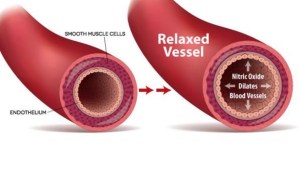
Nitric oxide (NO) is not the same thing as nitrous oxide, the laughing gas you breathe at the dentist office. They are completely different molecules. Nitric oxide is a naturally occurring signaling molecule your body produces, and it plays a critical role in keeping your blood vessels relaxed and your blood pressure in a healthy range.
Here is the part most people do not realize: your mouth is deeply involved in making it.
Your body runs a process called the enterosalivary pathway, and it works like this. When you eat nitrate-rich foods like beets, leafy greens, celery, and arugula, your body absorbs those nitrates and your salivary glands concentrate them back into your saliva. From there, beneficial bacteria living on your tongue and in your oral cavity convert those nitrates into nitrite. Once swallowed, that nitrite gets further reduced into nitric oxide, which then enters your bloodstream and helps dilate your blood vessels.
This is a sophisticated, elegant loop between your diet, your oral microbiome, and your cardiovascular system. And antiseptic mouthwash can break it.
What the Research Actually Shows
This is not fringe science. The research on mouthwash and nitric oxide disruption has been building for over a decade, and the evidence is significant.
A study published in the American Journal of Hypertension found that just three days of antibacterial mouthwash use in hypertensive patients was enough to blunt oral nitrate reduction and increase systolic blood pressure. Research published in Nitric Oxide journal and a broader review in Critical Reviews in Food Science and Nutrition consistently show that antiseptic mouthwash disrupts the enterosalivary pathway, knocking out the beneficial bacteria responsible for that critical nitrate-to-nitrite conversion.
One of the most striking findings: a 2022 paper published in the Journal of Dental Research noted that antibacterial mouthwash use has been linked in longitudinal studies to increased blood pressure and a higher risk for prediabetes and hypertension. That is not a small or theoretical risk. Those are real clinical outcomes.
A 2025 study published in Frontiers in Oral Health found that people who used over-the-counter mouthwash two or more times daily had significantly lower systemic nitrite levels compared to less frequent users, suggesting that the disruption of nitric oxide production through the enterosalivary pathway could be the link between frequent mouthwash use and elevated cardiometabolic risk.
Perhaps the most eye-opening data comes from research on chlorhexidine gluconate, the prescription-strength rinse that has long been considered the gold standard for periodontal patients. According to a paper in RDH Magazine, use of 0.12% chlorhexidine gluconate can destroy more than 90% of oral nitrate-reducing bacteria, resulting in an 85% reduction in nitric oxide production. That is not a minor side effect. That is a systemic consequence.
Why This Matters More Than You Think
Your mouth is not just a cavity in your face. It is the gateway to your cardiovascular system, your metabolic health, and your immune function. The oral-systemic connection is real and well-documented, and the bacteria living in your mouth are not just responsible for cavities and gum disease. They are active participants in regulating your blood pressure.
When we use broad-spectrum antiseptic rinses, we are not selectively removing only the harmful bacteria. We are wiping out the commensal bacteria, including the ones running this nitrate-to-nitrite conversion your heart depends on. And for patients who are already managing hypertension, that disruption may be working directly against their treatment goals.
Research from a PMC review also raised concerns about antiseptic mouthwash use and mortality risk in hospitalized patients, hypothesizing that the disruption of the enterosalivary nitrate-nitrite-NO pathway may lead to a condition of nitric oxide deficiency that facilitates cardiovascular and septic events. The science is still developing, but the direction of evidence is consisten
So What Should You Do?

This is not me telling you to throw out all mouthwash forever. Context matters. There are situations where a therapeutic rinse is clinically appropriate and necessary. But there are a few things worth considering:
Not everyone needs an antiseptic rinse daily. If you are brushing and flossing consistently, you may not need a broad-spectrum antibacterial rinse as part of your everyday routine. For most healthy patients, it is not mandatory.
Read your labels. Mouthwashes containing chlorhexidine gluconate or cetylpyridinium chloride are the most well-studied disruptors of oral nitrate-reducing bacteria. If your rinse contains either of those, it has the potential to interfere with your nitric oxide production.
Eat more nitrate-rich foods. Beets, arugula, spinach, celery, and leafy greens feed the enterosalivary pathway. If your oral microbiome is intact and you are eating these foods, your body is doing exactly what it was designed to do.
Talk to your dental hygienist. Not all rinses are created equal, and your oral health needs are individual. Your hygienist can help you determine whether a therapeutic rinse is appropriate for your situation or whether a gentler alternative might serve you better without the systemic tradeoffs.
The Bigger Takeaway
The relationship between your mouth and the rest of your body is more connected than most people understand. The bacteria in your oral cavity are not just bystanders in your overall health. They are running biochemical processes that directly influence your heart, your blood pressure, and your metabolic function.
The next time you rinse and spit, it is worth asking: is this product helping me, or is it eliminating bacteria my body actually needs?
That is the kind of question dental hygienists are uniquely positioned to help patients answer. It is not about fear. It is about understanding that oral health is whole-body health, and what you put in your mouth matters more than any commercial ever told you.
Avalene is a Registered Dental Hygienist with over 20 years of clinical experience, she has amassed over 2 million social media followers and has been featured in The New York Times, PopSugar, canvasrebel and BuzzFeed.
Sources
1. Bondonno CP, et al. Antibacterial Mouthwash Blunts Oral Nitrate Reduction and Increases Blood Pressure in Treated Hypertensive Men and Women. Am J Hypertens. 2015. PubMed.
2. Guo K, Joshipura K, et al. Association of over-the-counter mouthwash use with markers of nitric oxide metabolism, inflammation, and endothelial function. Frontiers in Oral Health. 2025. doi:10.3389/froh.2025.1488286
3. Morou-Bermudez E, et al. Pathways Linking Oral Bacteria, Nitric Oxide Metabolism, and Health. J Dent Res. 2022. PMC9124908
4. Senkus KE, Crowe-White KM. Influence of mouth rinse use on the enterosalivary pathway and blood pressure regulation: a systematic review. Crit Rev Food Sci Nutr. 2020.
5. Kapil V, et al. Inorganic nitrate supplementation lowers blood pressure in humans. Free Radical Biology and Medicine. (cited across multiple studies)
6. RDH Magazine. Why should we care about the effects of mouth rinses on oral nitric oxide production? rdhmag.com
7. Woessner M, et al. A stepwise reduction in plasma and salivary nitrite with increasing strengths of mouthwash following a dietary nitrate load. Nitric Oxide. 2016.
8. Perio Implant Advisory. Mouth rinses, high blood pressure, and nitric oxide. perioimplantadvisory.com
9. PMC. Antiseptic mouthwash, the nitrate-nitrite-nitric oxide pathway, and hospital mortality: a hypothesis generating review. PMC7567004
10. Crowe-White KM, et al. Functional mouth rinse containing inorganic nitrate and antioxidants bolsters the enterosalivary pathway and lowers blood pressure in Wistar rats. Scientific Reports. 2025.
