
Wait… Is THIS Why You Hate Vegetables So Much?
By Avalene, RDH | Avalener.com
You push the broccoli to the side of your plate. People say you are a picky eater. You gag a little when someone puts kale near you. Spicy food feels like an attack on your whole body. And everyone at the table looks at you like you are being dramatic but that is just how you feel.
You’re are not being dramatic at all. What if there is a real reason your mouth works differently than everyone else’s? Science actually has an answer and it might completely change how you see yourself at the dinner table. You might be a Supertaster!
So What Even Is a Supertaster?
A supertaster is a real thing, it’s not made up and it is not an excuse to skip vegetables at dinner either. Supertasters are people who are born with a gene that makes them taste food very differently than most people. They are much more sensitive to flavors, especially bitter and spicy ones. Things that taste totally normal to someone else can feel way too strong for a supertaster.
Think of it like turning up the volume on your favorite song so loud it hurts your ears. The song is the same. But the experience is completely different.
About 25% of people are supertasters. That means one out of every four people around you might be experiencing food in a totally different way that whats expected.
Where Did the Word Supertaster Come From?

Back in 1991, a scientist named Professor Linda Bartoshuk was the first person to use the word supertaster. She noticed that some people reacted very strongly to a bitter chemical while others could not taste it at all. She kept researching and found that these super sensitive tasters were experiencing flavors at about two to three times the intensity of everyone else.
Even before that, way back in 1931, a chemist named Arthur Fox made a surprising discovery. He found that some people tasted a certain compound as incredibly bitter while others tasted nothing at all. He worked with a geneticist and they tested a big group of people. About 65% found it bitter, about 28% tasted nothing, and a small group described other tastes. This was the very beginning of everything scientists know today about supertasting.
Years later, researchers found a specific gene called TAS2R38, which is a bitter taste receptor. Having certain versions of this gene is part of what makes someone a supertaster.
It All Comes Down to Your Tongue Bumps
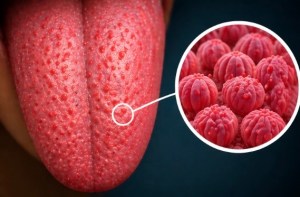
Here is the part that is super cool interesting. Your tongue is covered in tiny little bumps called fungiform papillae. That is just a science term for mushroom shaped bumps. Each one holds taste buds inside it.
Supertasters have more of these bumps packed onto their tongue. If you have more than 30 of these bumps in a space the size of a hole punch, you are considered a supertaster. The average person has between 15 and 30. People with fewer than 15 are called non tasters, and they actually need more flavor and spice to enjoy food. The more bumps you have, the louder everything tastes.
Picky Eater or Supertaster? Here Is How to Tell
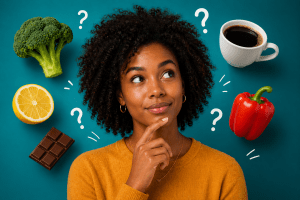
Not every picky eater is a supertaster. and not every supertaster is just being difficult. So how do you tell the difference? One big clue is which foods bother them. Supertasters tend to strongly dislike foods that have a bitter bite to them. Things like Brussels sprouts, kale, broccoli, grapefruit juice, onions, garlic, spicy foods, and dark chocolate. But they often eat other foods just fine.
A regular picky eater might hate spinach one month and eat it the next depending on their mood or how a day is going. A supertaster is much more consistent. The strong reaction to bitter and intense flavors does not really go away based on how they are feeling. It is physical, not emotional.
Dr. Carole Lieberman, a psychiatrist who has worked with picky eaters, put it this way: unlike picky eaters whose behavior can sometimes be linked to emotional reasons, the behavior of supertasters is a reflection of their anatomy. Their mouth is just built differently.
Girls Are More Likely to Be Supertasters
Research shows that girls are more likely to be supertasters than boys. It is estimated that about 70% of the US population can taste bitter compounds intensely. Of that group, about 25% are true supertasters. So if you have a daughter who seems incredibly sensitive to food, there is real science behind it. Supertasters may also be extra sensitive to smells, sounds, and bright lights. Researchers believe there may be a difference in how the brain processes taste and smell together in supertasters. So if your child can smell something going bad before anyone else notices, that might be another clue.
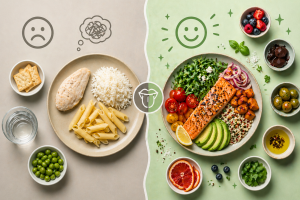
As a dental hygienist I always think about how the mouth connects to the rest of the body. Supertasters are a perfect example of that connection. Many foods actually help strengthen teeth and support the good bacteria. Supertasters also tend to prefer salty flavors because salt helps cover up bitterness. Parents can actually use this to their advantage. Try adding a little salt or a sweet dressing to bitter vegetables. It does not change the vegetable but it can calm down that intense signal the tongue is sending to the brain.
The Good News About Taste Buds
Here is something really encouraging. Your taste buds are not fixed forever.
Taste cells are replaced regularly throughout your life. Research shows that the proteins in your saliva actually change how you experience flavor. With repeated exposure to bitter or strong tasting foods, the taste can get better over time as your saliva proteins adjust.
As we get older, our ability to taste decreases a little because we start to lose sensory cells. So what feels completely overwhelming at age 10 might actually become enjoyable later in life.
Research also shows it takes a child 8 to 15 tries with a new food before they start to accept it. But most parents stop offering it after only 3 to 5 tries. That gap is huge. Patience really does make a difference.
You Were Not Just Being Difficult
Effects on The Mouth
As someone who has spent over 20 years looking inside people’s mouths, I can tell you that everyone’s oral health is completely their own. What you eat matters to your oral health and many foods that super taster and picky eaters refuse are beneficial to the oral microbiome. Those foods support the good bacteria in the mouth that helps with nitric oxide production and that in turn can aid in maintaining proper blood pressure levels. On the other hand some foods have essential vitamins that help support the oral cavity.
The real takeaway here is that If you believe you are a picky eater or Supertaster tell your Dentist, Dental Hygienist and medical doctor because they can all work towards helping your mouth and body stay healthy.
For more honest dental health education from a real RDH, visit Avalener.com.
