
Nutrition and oral health are far more connected than most clinical training lets on, and for RDHs, the signs of what a patient is missing often show up in the mouth long before anywhere else. From bleeding on probing with minimal plaque to unexplained tongue changes, the chair offers a front-row view into a patient’s nutritional status, if you know what to look for.
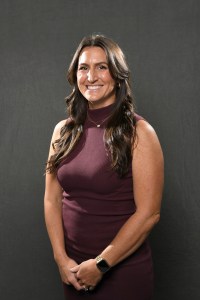
In this interview, we sit down with a Registered Dental Hygienist and myofunctional therapy practitioner who has built her practice around the link between what patients eat and the health of their mouths. She shares the deficiencies she spots chairside, why food frequency can matter more than sugar itself, how nutrition intersects with airway and oral function, and the one practical shift she wishes every hygienist would start recommending tomorrow. Here’s what she had to say.

1. How did you first make the connection between nutrition and oral health, and what made you want to specialize in this area as an RDH?
I first made the connection in dental hygiene school! I was so excited to learn about nutrition and how it could impact our oral health. At that time I feel like it was mostly for caries vs inflammation and periodontal health. When I started working full time / coaching CrossFit and working with athletes on their nutritions that’s really where I started linking the inflammatory impact of our nutrition and oral health.
2. What are the most common nutritional deficiencies you see in patients that are directly affecting their oral health, and how do you spot them chairside?
The most common are vitamin C and B vitamins. Vitamin C is often with minimal plaque test still bleeding upon probing. Vitamin B are the unexplained ulcers and mucosal changes specifically on the tongue. I also many times a day review the importance of coq10- especially if someone is on a statin and the important of the calcium delivery system- D3, K2 phosphorus and magnesium.
3. Is there a specific food or ingredient that you think is the biggest hidden threat to oral health that most people are not even thinking about?
Processed foods for sure, people assuming if it has an Organic label it’s safe. Anything premade and packaged whether it’s organic or not is not as nutritious as fruits veggies and meats.
4. How do you approach nutritional counseling with patients who are resistant or who feel like diet advice is outside the scope of a hygiene appointment?
I often just asked my patients what they’re eating on a daily basis and let them tell me whether they’re eating health or not. If they seem open to the conversation I’ll go into detail and schedule more time with them. You would be surprised how many people don’t actually know what healthy balanced meals look like.
5. What does the research actually say about the sugar and cavity connection, and is it more about frequency, quantity, or food type?
Yes, we know that sugar mixes with the biofilm or other pathogens that break down into an acid to demineralized the teeth. Food frequency, not even being sugar dependent, can increase our risk of cavities because it produces an acid. Obviously, there are better food types that are healthier for our teeth, such as apples, celery, and other fibers fruit and vegetables. My biggest concern is the inflammatory process that we see with minimal micro nutrients that patients were getting with their foods.
6. You work in myofunctional therapy as well. How does nutrition intersect with airway health and oral function in ways that might surprise people?
There is so much to bridge myofunctional therapy and nutrition together the first is chewing. I think we often take that for granite and swallow pattern. All of this comes from infancy when we’re looking at feeding for babies bottle for babies don’t have to work as hard and aren’t using their oral muscles as much as someone that is going to be breast-fed. There’s also inflammatory triggers for the adenoids and tonsils when it comes to Teri, gluten and sugars for the kids so just think about what your kid is eating daily and all of that could make their airway space smaller.
7. Are there any foods or nutrients that you feel are genuinely underrated when it comes to protecting and even rebuilding tooth structure?
I think the biggest thing is food, timing and frequency and obviously making sure that you’re getting the micro nutrients that you need to help rebuild salary quality is super important so making sure that you’re hydrated and keeping a balance of potassium salt is super important for Salisbury health.
8. What is your take on the current trend of mineral-rich or remineralizing diets, and do you think the science supports the claims being made online?
Absolutely, I started implementing hair tissue and mineral analysis into my functional oral health coaching, which helps clients and patients. See where they’re actually using storing and utilizing their minerals. Just because we’re eating healthy doesn’t mean that our body is responding/ absorbing them correctly. This gives us a more in depth insite to know how to support them with or without supplements. I don’t like to recommend supplements unless I have some blood work or some kinds of testing.

9. How do you personally structure your own diet to support your oral health, and has your approach changed since diving deeper into this specialty?
Yes, even though you don’t drink soda what I found that it’s even with the carbonated waters are just as acidic and so this was a big change that we had to make. Also make sure that food frequency is done every three hours for blood sugar regulation as well as Abiding by the Stephen curve.
10. What is one practical nutrition shift you wish every dental hygienist would start recommending to patients tomorrow?
Make sure not to miss it at your appointments. Ask what your patients are eating and how frequently they are eating it especially if you’re seeing signs of disease which is easy to spot and also to use a preventative for your younger patients.
For RDHs, the biggest shift is recognizing that nutrition belongs in the operatory, not outside of it. The deficiencies, inflammation, and disease patterns we’re trained to treat often trace back to what patients are eating and how often they’re eating it, which means the chair is one of the most powerful places to catch these signals early. Whether it.
